 Executive Circle Corporation
IT Infrastructure Design & Management
IT Infrastructure Design and Management is a critical process that involves planning, implementing, and maintaining a robust, scalable, and secure information technology environment. This encompasses hardware, software, networks, data centers, cloud services, and security measures that support a company's operations and objectives.
Contact Us Now!Best Practices in IT Infrastructure Design and Management
Scalability and Flexibility
Design infrastructure with future growth in mind, allowing for seamless scaling of resources to meet increasing business demands. This includes using scalable cloud services, virtualization, and modular hardware solutions.
Redundancy and High Availability
Implement redundant systems, failover mechanisms, and load balancing to ensure high availability and minimize downtime. This includes using RAID configurations for storage, dual power supplies, and redundant network paths.
Centralized Management and Automation
Use centralized management tools to monitor, control, and automate various aspects of the infrastructure. Automation of repetitive tasks (e.g., software updates, backups) reduces the risk of human error and increases efficiency.
Security-First Approach
Adopt a security-first mindset by integrating security measures at every layer of the infrastructure. This includes securing network perimeters, implementing robust access controls, and conducting regular security audits.
Disaster Recovery and Business Continuity Planning
Develop comprehensive disaster recovery and business continuity plans to prepare for potential disruptions. Regularly test these plans through simulations to ensure they are effective and up to date.
Documentation and Standardization
Maintain thorough documentation of the IT infrastructure, including network diagrams, configuration details, and processes. Standardize hardware and software configurations to simplify management and troubleshooting.
What's our secret?
Well-designed Infrastructure
Ensures smooth and uninterrupted business operations, reducing downtime and increasing productivity.
Robust security measures
Consistently maintain compliance with industry standards protects the organization from cyber threats and legal liabilities.
Optimized infrastructure
Reduces unnecessary spending on hardware, software, and cloud services, resulting in significant cost savings..
Scalable IT infrastructure
Infrastructure design that can quickly adapt to changing business needs, supporting growth and innovation without requiring major overhauls.
Well-maintained infrastructure
Analyze the sentiment of conversations surrounding your brand to gauge customer perception and adjust strategies accordingly.
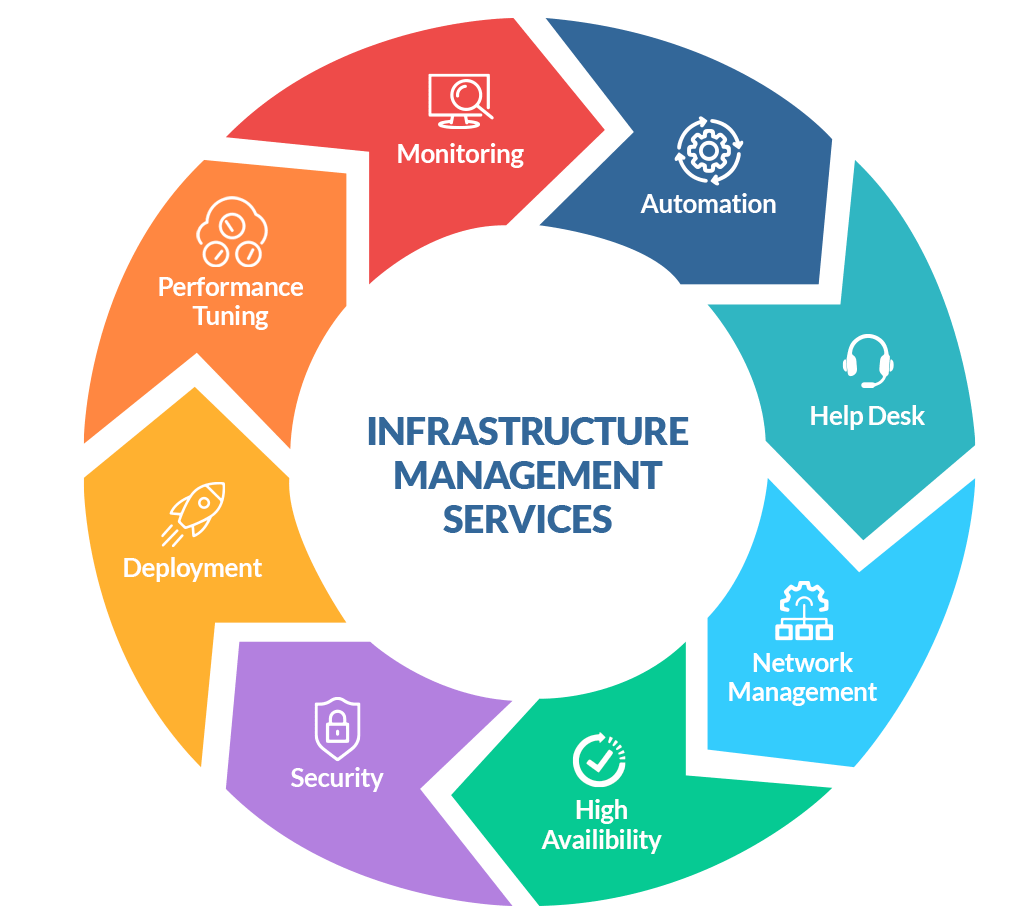
IT Infrastructure Design & Management
Designing and managing an effective IT infrastructure is essential for supporting business goals, ensuring reliability, and optimizing performance. By following best practices and leveraging the right tools, organizations can build a robust, secure, and scalable IT environment that drives efficiency and supports growth.
Contact Us Now!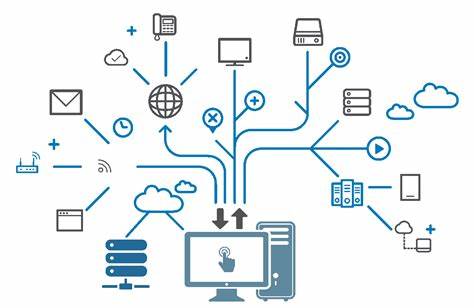
IT Infrastructure Design & Management
By following best practices and leveraging the right tools, organizations can build a robust, secure, and scalable IT environment that drives efficiency and supports growth.
- Improved Operational Efficiency
- Enhanced Security and Compliance
- Cost Savings
- Scalability and Adaptability
- Better User Experience
- Ease in Infrastructure Management