 Executive Circle Corporation
Business Process Outsourcing
BPO covers a wide range of functions, from customer support and human resources to finance, accounting, and IT services. Companies use BPO to streamline operations, reduce costs, and focus on their core competencies.
Contact Us Now!What we offer?
Human resources (HR)
Design infrastructure with future growth in mind, allowing for seamless scaling of resources to meet increasing business demands. This includes using scalable cloud services, virtualization, and modular hardware solutions.
Data entry and processing
Implement redundant systems, failover mechanisms, and load balancing to ensure high availability and minimize downtime. This includes using RAID configurations for storage, dual power supplies, and redundant network paths.
Finance and accounting
Use centralized management tools to monitor, control, and automate various aspects of the infrastructure. Automation of repetitive tasks (e.g., software updates, backups) reduces the risk of human error and increases efficiency.
IT services
Adopt a security-first mindset by integrating security measures at every layer of the infrastructure. This includes securing network perimeters, implementing robust access controls, and conducting regular security audits.
Customer support and call centers
Develop comprehensive disaster recovery and business continuity plans to prepare for potential disruptions. Regularly test these plans through simulations to ensure they are effective and up to date.
Technical support
Maintain thorough documentation of the IT infrastructure, including network diagrams, configuration details, and processes. Standardize hardware and software configurations to simplify management and troubleshooting.

What's our secret?
Identify Core and Non-Core Processes
Determine which processes are ideal for outsourcing based on their complexity, resource requirements, and impact on core business activities.
Set Clear Goals
Establish specific objectives such as cost reduction, increased efficiency, or improved customer satisfaction. Ensure these are measurable with clear Key Performance Indicators (KPIs).
Define Performance Metrics
Include clear KPIs and performance metrics such as response times, quality standards, and error rates. Use these metrics to measure success and hold the provider accountable.
Establish Clear Communication Channels
Set up regular meetings, reporting mechanisms, and escalation paths for issues. Use collaborative tools like project management software and shared dashboards.
Plan the Knowledge Transfer
Develop a detailed plan for transferring knowledge, processes, and responsibilities to the service provider. Provide comprehensive training and documentation.
Review Performance Regularly
Conduct periodic performance reviews to assess whether KPIs are being met and identify areas for improvement. Encourage the use of automation, AI, and advanced analytics to enhance process efficiency and reduce manual intervention.

Business Process Outsourcing
BPO is a strategy commonly used to increase efficiency, reduce costs, and leverage external expertise.
Contact Us Now!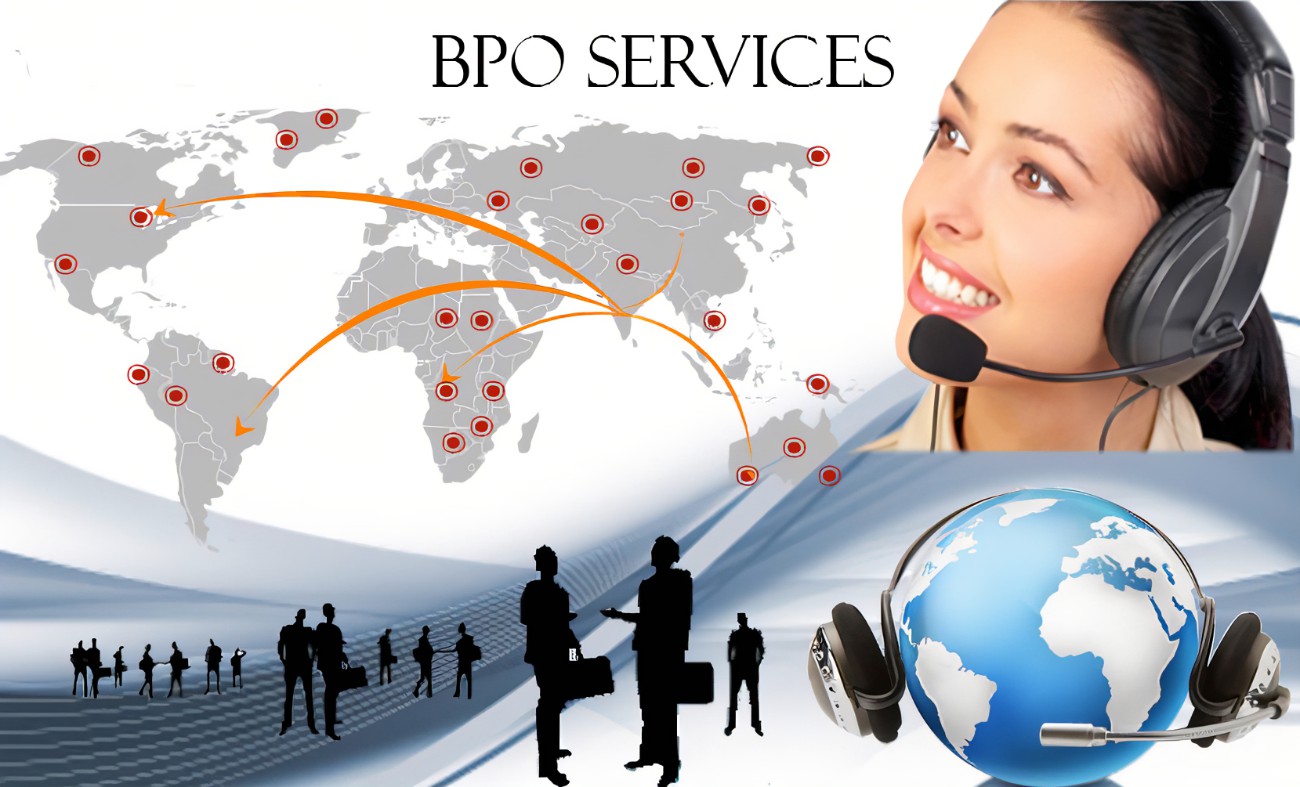
Business Process Outsourcing
The primary goal of BPO is to allow organizations to focus on their core business activities while outsourcing non-core, time-consuming tasks to specialized firms. BPO is a strategy commonly used to increase efficiency, reduce costs, and leverage external expertise.
- Cost Savings
- Focus on Core Activities
- Access to Expertise
- Scalability and Adaptability
- Improved Efficiency
- Ease in People Management